

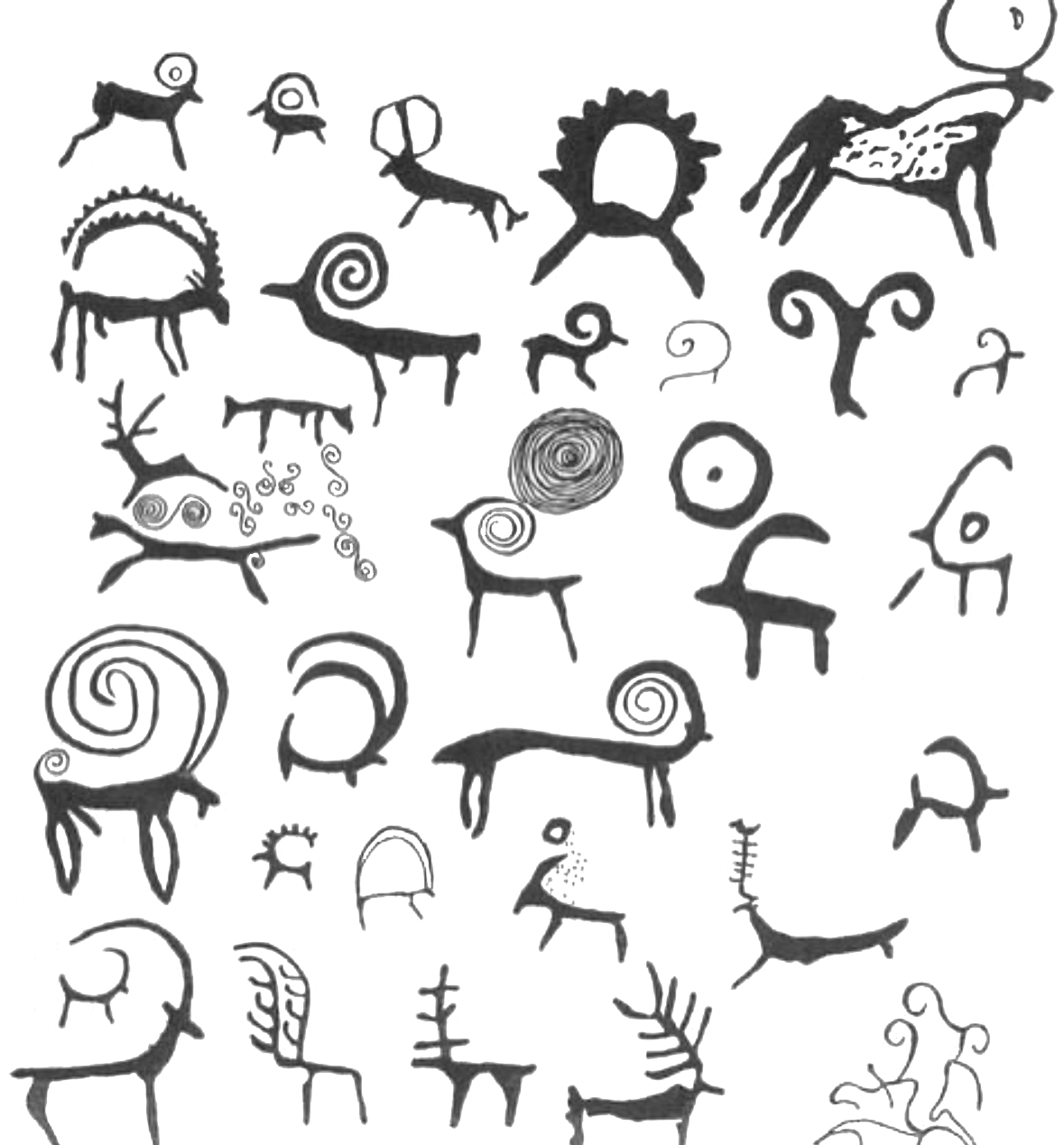
Ten thousand years ago pigeons began their descendence from doves –
the symbolic shorthand for amnesty and nonviolence enduring from biblical times to present day.
Over thousands of years pigeons were kept close to human societies,
bred initially as a food source but later domesticated for their intelligence,
social behavior, and beauty. Pigeons became extensions of
human social ecologies as crop fertilizers, messengers, and pets.
In times of war they demonstrated tremendous bravery –
250 thousand being used by the British in World War II alone –
flying thousands of miles, often overseas and between continents,
to deliver uncountable numbers of messages. They were brought into cities
as pets and racing birds, and released into abandonment where they are mostly found today –
in visually-homogenous monocultures, plodding about in their own feces,
pecking at small scraps of food and garbage, approaching us
hoping that we will rekindle our milennia-old kinship with them once more.
After ten thousand years of bio-sociological conditioning,
pigeons are still predisposed to crave proximity to humans,
whether or not they, or we, realize it.
Yet when they approach our hostility quickly amplifies:
we shoo them, kick at them, pluck their feathers, break their wings,
flatten them with our vehicles, abduct them to be executed by marksmen
practicing on live targets.
Pigeons face a form of persecution akin to what our unhoused human populations
are subjected to: hostile architecture in the form of spikes and predator facsimilies;
forced sterlization through contraceptive traps strategically placed in areas of congregation;
predatory humans who abuse or kill them for their own perverse enjoyment –
each a violent attempt to permanently stamp out their bloodline.
We cannot create that which we reject ownership of;
we cannot create that which we refuse to nurture.
Energy can neither be created nor destroyed, and every act of cruelty
toward one being is summarily absorbed into another.
If we are to unleash mass cruelty onto the world
it is imperative to neutralize our karmic debt through radical compassion.
We must retrain ourselves to find beauty, magic, purpose, intentionality
in the everyday, in the mundane. Let the weary return to the symbol of innocence.
We must reconcile the dove within; we must remember how we once spiritualized the pigeon.
Bonsai is the art of artifically encouraging aesthetic imperfections in the controlled growth of a miniaturized tree,
constructing a tacit visual narrative of a rugged tree that has, against all weather and wear, survived to a very old age.
While bonsai forms an idealized and fetishized cariacature of nature,
Chinese penjing (from which bonsai is derived) instead seeks to embrace the natural progression of trees –
aestheticizing the features developed organically rather than contorting them into fixed archetypes.
One does not find imperfections in nature.
Perfection is a human aesthetic contrivance imposed on a system that resists idealized visual harmony.
Biological eccentricities in the natural world are the result of latent instict formed from hundreds of millions of years of evolution –
epochs of convergence and subsequent divergence without a finite point or end goal;
an entropic system where the very nature of existence is to resist orderliness.
Nature doesn't strive towards perfection but disorder –
organisms grow upward in defiance of gravity;
species individualize through random genetic mutations;
cells regenerate in an attempt to defy death,
yet in the genetically-embedded pursuit of Eternal Life
may cancerously kill their host organism instead.
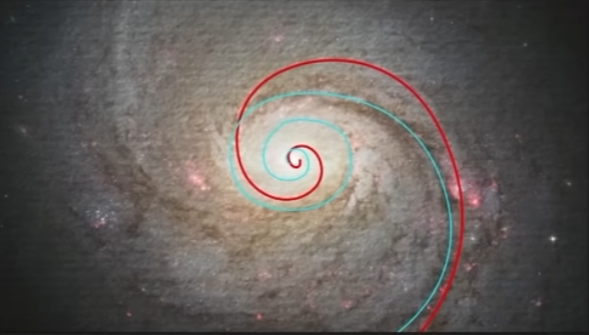
Notions of 'taming' nature are fundamentally incompatible with an entropic system which grows (both literally & metaphorically) to escape any bounds imposed by our limited conscious ruleset. My own brain is undeniably primed to identify and spiritualize mathematical patterns, yet idealized frameworks like 'the golden ratio' wrongly attempt to formalize nature as adhering to a fixed schema of well-defined and aesthetically-pleasing archetypes.
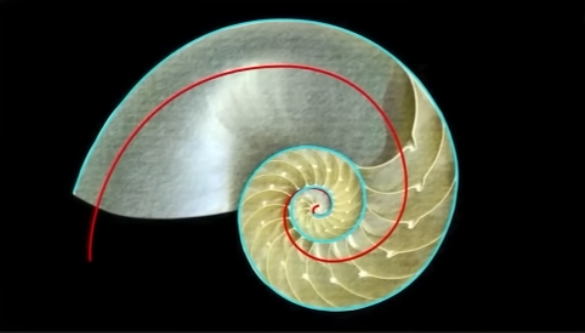
Perhaps we must ascribe intentionality in the inverse:
perhaps the anima latent within the material world unsuccessfully coerces a nautilus into a Perfect Spiral,
or a pine into an artifact of exact lateral symmetry – it is the will, or ultimate destiny,
of natural things to defy formalism and reject order.
Perhaps the only agency we possess is to submit ourselves to nature, and embrace our inevitable failure to become perfect.
When I was 16 years old my grandfather died after finally submitting to a long battle with pancreatic cancer.
Decades earlier, ages before I came to exist, he was spared from a more brutal ending – deliverance by explosive.
My grandpa was an Irish Catholic who attended seminary, pursuing priesthood.
At 21 years old he was plunged into combat by way of the Korean War draft.
While on the front lines of active combat a shell detonated next to him, with enough force to knock his helmet off.
As he braced for instant death, he felt a strong presence and watched as his Guardian Angel rose into the air;
he emerged completely unharmed and recounted the story to me lifetimes later,
well into his later years and now enacting mythmaking to a second generation.
I have never seen my Guardian Angel.
Maybe She acts in moments unseen, or perhaps He waits for the right moment to rise into the sky again.
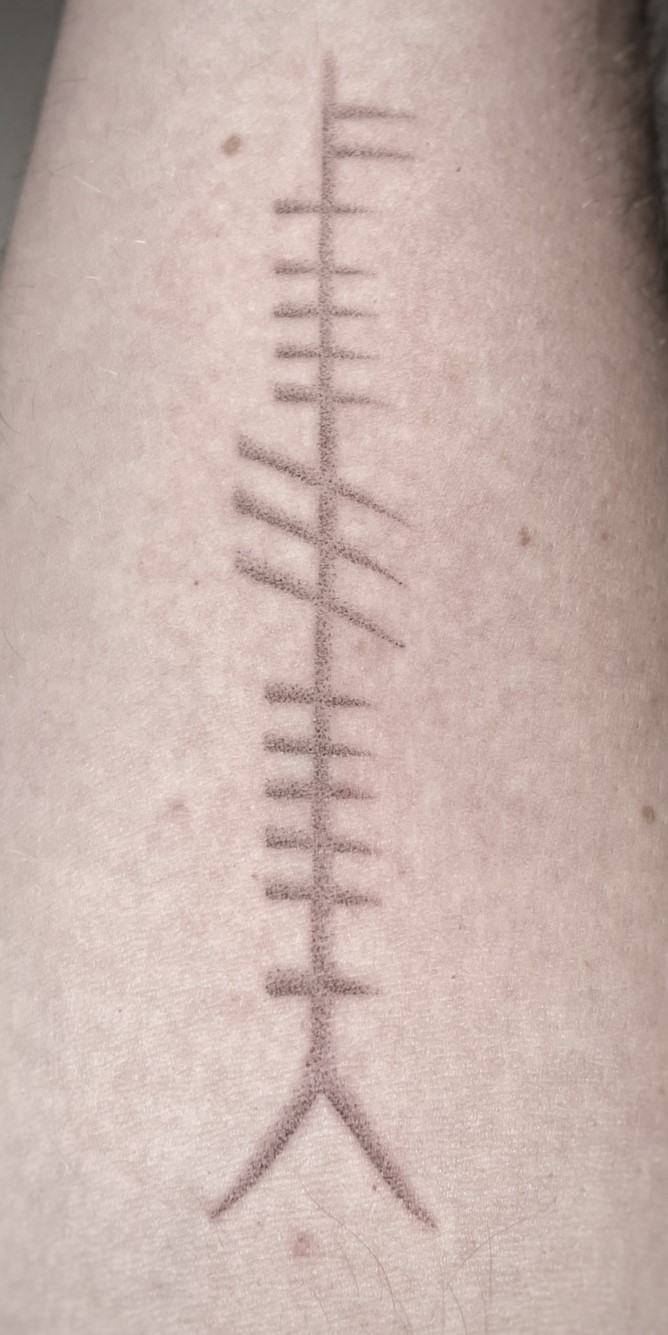
᚛ᚐᚔᚍᚓᚐᚂ
ailm | pine
iodhadh | yew
ngéadal | fern
eadhadh | aspen
ailm | pine
luis | rowan
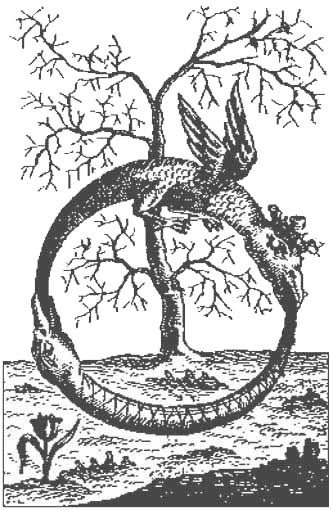
I've decided to initiate a move from self-subscribed digital serfdom to an independent, autonomous platform
A turn away from the authoritarian technofeudalism of web3 and toward the anarcho-primitivism of web1
This World Is Beautiful
thank you for coming